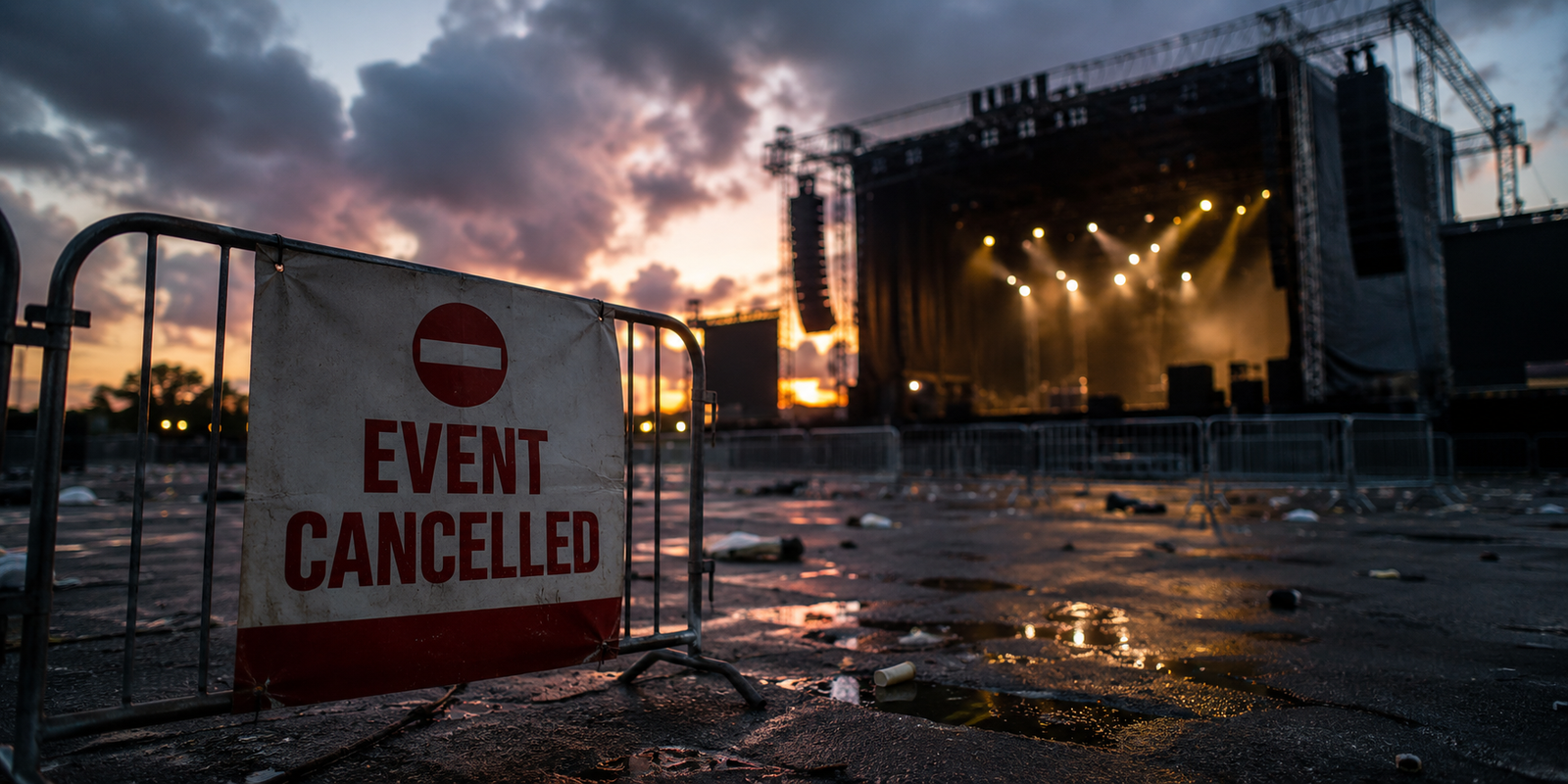
When people attend an event, they usually see the final outcome the lights, the music, the crowd, the performances, the energy. What most people never see is the amount of work, pressure, coordination, and risk that happens behind the scenes before the gates even open.
Organizing an event is far more than booking a venue and selling tickets. It involves weeks and sometimes months of planning, approvals, vendor coordination, artist management, security arrangements, sponsorship discussions, production setup, marketing campaigns, and constant operational execution. Every small detail matters.
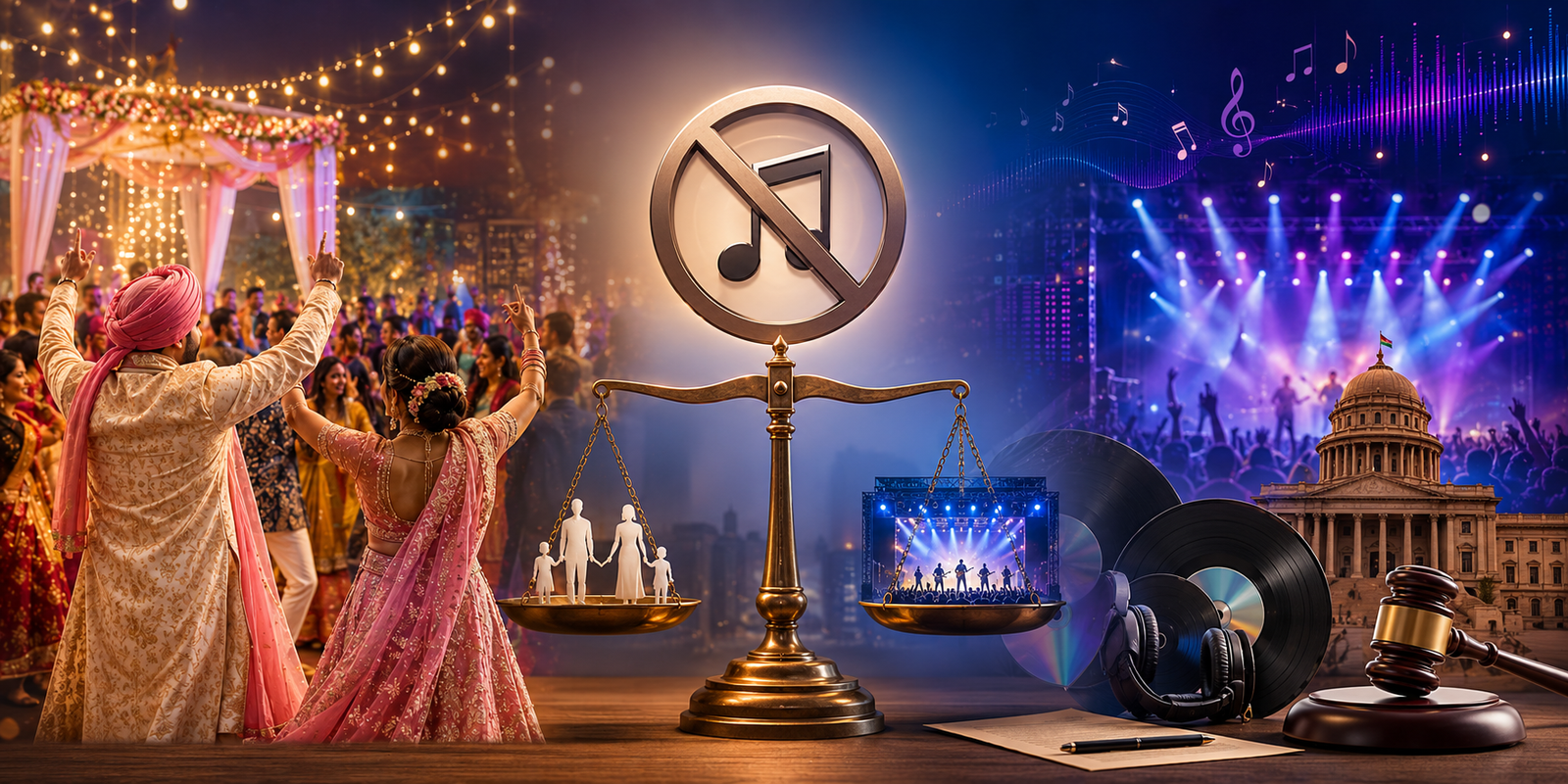
But sometimes, despite all the preparation, events get cancelled or delayed because of permission-related issues.
And when that happens, the impact is much bigger than people realize.
The Financial Impact on Organizers
By the time an event is publicly announced, organizers have already invested heavily into the project. Venue advances are paid. Production teams are hired. Artists and performers are booked. Marketing campaigns are already running across social media and offline channels. A cancellation at the final stage can result in massive financial losses.
Some of the immediate impacts include:
- Venue cancellation charges
- Artist advance payments
- Production and stage setup costs
- Marketing and advertising expenses
- Ticket refund processing
- Vendor and logistics payments
- Sponsorship complications
For many organizers, one cancelled event can affect months of financial planning.
Reputation Damage Happens Instantly
In today’s digital world, audiences react immediately.
The moment an event is cancelled, social media fills with frustration, criticism, refund demands, and assumptions. Most attendees do not see the backend complications or administrative delays. They only see that the event did not happen. This creates serious pressure on organizers.
The long-term effects can include:
- Loss of audience trust
- Negative online perception
- Difficulty securing future sponsors
- Reduced confidence from partners and vendors
- Lower ticket sales for future events
Even when the organizer is not entirely at fault, the public perception often affects them directly.
The Mental Pressure Behind Event Management
One of the least discussed parts of the events industry is the mental stress organizers go through.
Event teams work under constant pressure:
- coordinating multiple departments,
- handling last-minute changes,
- managing crowd expectations,
- solving technical issues,
- ensuring safety and compliance,
- and dealing with deadlines that cannot be postponed.
When permissions get delayed or denied near the event date, months of hard work can collapse overnight. Behind every cancelled event are teams running on sleepless nights, uncertainty, financial pressure, and emotional exhaustion.
A Cancelled Event Affects an Entire Ecosystem
The impact does not stop with the organizer. A single event supports hundreds of people directly and indirectly:
- artists,
- technicians,
- photographers,
- videographers,
- food vendors,
- security staff,
- stage workers,
- creators,
- local businesses,
- transport providers,
- and temporary workers.
When an event gets cancelled, the ripple effect spreads across the entire ecosystem. Events are not just entertainment anymore. They are part of a growing economic and cultural ecosystem.
The Industry Needs Better Infrastructure
As events continue to grow in scale, the systems supporting them also need to evolve. The industry needs:
- better coordination systems,
- streamlined workflows,
- clearer approval processes,
- centralized permission management,
- stronger communication channels,
- and more transparency between stakeholders.
Technology has already transformed industries like finance, transportation, and commerce. The events industry is also reaching a stage where operational infrastructure matters just as much as creativity.
Final Thoughts
People often remember the stage, the performance, and the experience. But behind every successful event is an enormous amount of invisible work.
When events get cancelled due to permission-related challenges, the damage is not limited to one night. It affects businesses, teams, creators, workers, audiences, and entire communities connected to the event. Events create culture. They create opportunities. They bring people together. The systems supporting them should be strong enough to protect the people building them.